The most common question first-time Tokyo travelers ask before booking a hotel is, "Should I stay in Shinjuku, Shibuya, or Ginza?"
The honest answer is, none of the three is universally right. Which neighborhood you pick changes your entire travel route and budget. Stay in Shinjuku and shop in Ginza, and you spend 30 minutes on the Yamanote Line every day. Stay in Ginza and head to Shibuya, and that's another 30 minutes. Tokyo is too big for one neighborhood to fit every trip, and each district has a completely different vibe and route logic.
So we compared 15 hotels across these three neighborhoods using data. Five each from Shinjuku, Shibuya, and Ginza/Tokyo Station, all with ratings of 8.0 or higher and at least 100 reviews. Prices range from $90 to $1,015 per night, from capsule hotels to a five-star next to the Imperial Palace. Each neighborhood's character shows up directly in its hotel lineup.
Table of Contents
- Why these three neighborhoods
- Shinjuku: people, drinks, and skyline
- Shibuya: trends, youth, and the Scramble
- Ginza & Tokyo Station: prestige and capital
- 15 hotels at a glance
- Verdict by scenario: where you should stay
- Honest weaknesses: traps in each neighborhood
- Methodology
- Frequently Asked Questions (FAQ)
Why these three neighborhoods
Tokyo has more hotel districts. Asakusa is traditional, Ueno is value-focused, Roppongi is for foreign business, and Ikebukuro is for students and subculture. But what most first-time Tokyo travelers actually agonize over comes down to three: Shinjuku (transport hub + food alleys), Shibuya (trends + youthful mood), and Ginza/Tokyo Station (shopping, formality, sightseeing).
More than half of Tokyo's most popular hotels sit in these three districts. After filtering for ratings of 8.0+ and 100+ reviews, each neighborhood has 30 to 96 hotels. The price range, from $90 budget apartments to $1,015 EDITION suites, means that whatever your budget is, the answer lives within these three.
This is similar to the approach we took in comparing Hakata and Tenjin in Fukuoka. But Tokyo has more districts and more dramatic differences. So three, not two, with longer rounds.
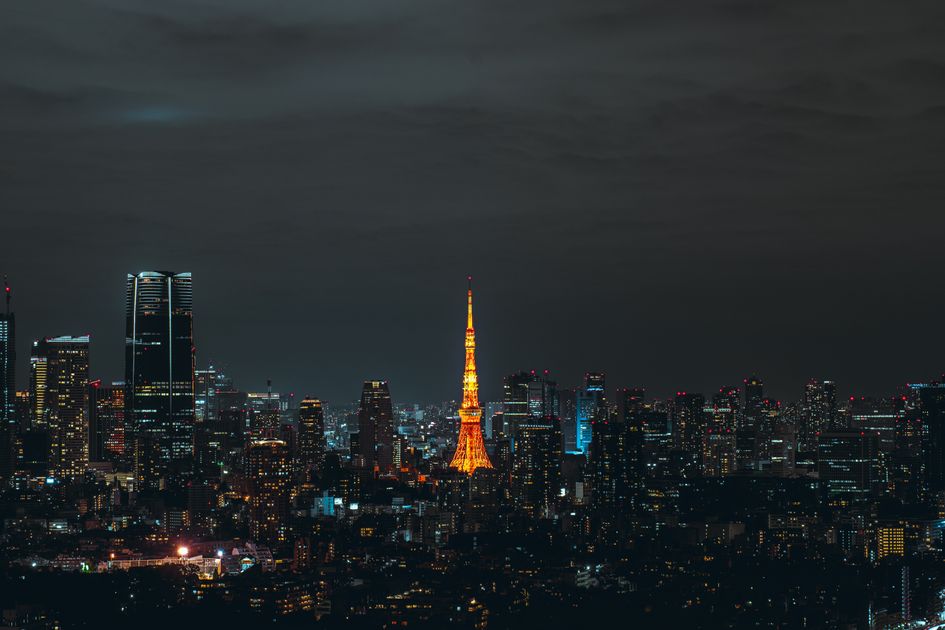
Shinjuku: people, drinks, and skyline
Shinjuku Station is the busiest railway station in the world. 3.57 million people pass through daily. What that means is, even if a hotel says "5 minutes from Shinjuku Station," your experience changes completely depending on which exit you face.
Shinjuku splits roughly into three zones. Kabukicho (east, neon lights, food alleys, nightlife), the western high-rise district (west, five-stars, business, views), and Okubo (north, Koreatown, budget). Same "Shinjuku," but staying experience differs.
The top pick in central Kabukicho is 벨루스타 도쿄, 어 팬 퍼시픽 호텔 (★9.3 | 724 reviews | from $600/night). Top floors of Tokyu Kabukicho Tower, five-star, 110m to Shinjuku Station. What reviews repeat are the views and spa. Seeing Kabukicho's neon skyline from your room is the photo on the cover of every Tokyo travel book.

Within 110m of Bellustar are Yakiniku Niku-no-ne (★4.9, 1,046 reviews) and Gyukatsu Motomura Shinjuku (★4.9, 7,459 reviews). Head down five minutes and you have two of Tokyo's named wagyu spots within reach. The real value of Kabukicho location is this — not just the skyline, but late-night food a minute from your door.
The classic answer in the western high-rise district is 게이오 플라자 호텔 도쿄 프리미어 그랜드 (★9.2 | 2,172 reviews | from $430/night). Five-star, 130m from Shinjuku Station. The Premier Grand line of a 1971 grand-old-name hotel, so the rooms feel new-build. The words that come up most in reviews are breakfast, view, and room comfort. That's not a list of features filling a void — it's actual balance.

For value, Shinjuku is the strongest district in Tokyo. 안신 오야도 도쿄 맨 신주쿠 (★9.0 | 9,312 reviews | from $125/night) is a capsule hotel 220m from Shinjuku Station. Rated 1.5 stars, but 9.0 across 9,000+ reviews. With a sample size that large, it's no fluke. Sauna, hot springs, and large baths are inside the property — it's in the top three Tokyo wellness hotels. The only catch is that capsule format isn't for everyone.
For more private space at the same budget, 신주쿠의 아파트먼트 (★9.4 | 132 reviews | from $90/night) is the answer. A 28㎡ one-bedroom apartment, private bath, 290m from Yoyogi Station, 530m from Shinjuku Gyoen. Cleanliness 9.2, value-for-money 9.2, "Top Value" badge. A space that fits a family of four for $90 a night is the ceiling of value in Tokyo.
For Okubo-side budget, bmj 신주쿠 오쿠보 (★9.2 | 578 reviews | from $145/night) sits in the heart of Koreatown. If you crave Korean food, it's a minute from your door. Just know going in — facility info is sparse, so it's closer to a guesthouse than a hotel.
Shibuya: trends, youth, and the Scramble
Shibuya has a different texture from Shinjuku. While Shinjuku is the giant transit hub where every generation mixes, Shibuya is a trend district where 20s and 30s lead. Scramble Crossing, Hachiko, MIYASHITA PARK, Shibuya Sky. Cafes, select shops, lounges, and clubs all within one block.
The Shibuya top pick is 호텔 인디고 도쿄 시부야 바이 IHG (★9.2 | 833 reviews | from $450/night). The IHG boutique line Indigo, the one that captures Shibuya's color best. 4.5 stars. Holding 9.2 across 800+ reviews in central Shibuya isn't common.

Shibuya's classic luxury is 세룰리언 타워 도큐 호텔 (★9.0 | 8,052 reviews | from $360/night). 230m from Shibuya Station, 300m from Hachiko. #14 in Tokyo's luxury list, five-star. Few Tokyo five-stars hold 9.0 across 8,000+ reviews. Cleanliness 9.4, room comfort 9.0. Repeat words are breakfast, view, location.
Within 419m of Cerulean Tower are Halal Wagyu & Vegan Ramen GYUMON SHIBUYA Center Gai (★4.9, 7,082 reviews) and Tsukishima Monja Kuuya Shibuya (★4.8, 15,610 reviews). Even if you're Muslim or vegan, you can have wagyu ramen in central Shibuya — that's Shibuya's range.
The value pick 라이프 시부야 도쿄 (★9.2 | 1,266 reviews | from $230/night) is the Tokyo entry of the Southeast Asian co-living brand lyf. 3-star, 620m from Shibuya Station. Both family travelers and couples score it high on value. With shared kitchen, laundry room, and lounge, it suits 4+ night stays especially well.
For the new-build line, 시부야 스트림 호텔 (★9.0 | 8,351 reviews | from $330/night). 150m from Shibuya Station, inside Tokyu's Shibuya Stream complex, 4-star. 8,000+ reviews with cleanliness 9.3, room comfort 9.4. Almost station-direct, so dragging suitcases through Scramble isn't a worry.

The Shibuya outlier is 더 밀레니얼스 시부야 (★9.0 | 5,672 reviews | from $380/night). A 2-star capsule hotel, but in Tokyo's economy hotel top 10. 5,672 reviews, 9.0 rating. 310m from Scramble Crossing. Calling it a "capsule boutique" is more accurate. The catch: at $380 a night, it's not "economy" in the budget sense — that's central Shibuya premium baked in.
Ginza & Tokyo Station: prestige and capital
Ginza and Tokyo Station are technically separate, but a 1.2 km walk connects them — 15 minutes at an easy pace. And the hotel lineup logic is similar — both are dominated by five-star luxury, with prices a tier above Shinjuku and Shibuya.
This is where Tokyo's most expensive five-stars cluster. Prices range from $250 to $1,015. Under $350, basically the only choice is 그랜드 먼데이 긴자 (★9.3 | 376 reviews | from $250/night). 4-star, 200m from Ginza. Family-friendly score is high, with the "Top Value" badge and 9-point room comfort. $250 in Ginza is far cheaper than any other 5-star — the most rational way to buy this location's value.

The Tokyo Station-direct answer is 더 도쿄 스테이션 호텔 (★9.3 | 5,299 reviews | from $355/night). 110m from Tokyo Station, 5-star, #1 in Tokyo luxury rankings. Set inside the red-brick Tokyo Station main building — you can roll your suitcase out of the Shinkansen and into the lobby. Reviews repeat room comfort, bath, and dining. Heritage from the 1907 station opening still shows.
Within 180m of Tokyo Station Hotel are Tsukishima Monja Kuuya Tokyo Station (★4.9, 6,663 reviews) and Tsukishima Monja Tamatoya Tokyo Station (★4.8, 7,687 reviews). Two of Tokyo's named monjayaki spots within a 5-minute walk — no need to head to Tsukishima itself.
Ginza's classic name is 임페리얼 호텔 도쿄 (★9.3 | 7,368 reviews | from $580/night). 5-star. #1 Tokyo gourmet hotel, 350m from Hibiya, 880m from Ginza. Cleanliness 9.5, room comfort 9.3. Opened in 1890, called the origin of Japanese hospitality. Few Tokyo 5-stars hold 9.3 across 7,000+ reviews — Imperial is the rare exception.
Move higher and you reach the Imperial Palace-side 팰리스 호텔 도쿄 (★9.4 | 1,533 reviews | from $910/night). 5-star. The Imperial Palace garden sits beyond your window. The repeat words are bar, dining, room comfort, breakfast, view — every score that matters in luxury hotels reads in the 9s. 22m from Palace is Teppanyaki Hori (★4.8, 52 reviews), basically the in-house dining.

The latest trend line is 더 도쿄 에디션, 긴자 (★9.3 | 329 reviews | from $1,015/night). The second Tokyo property in Marriott's boutique EDITION line. 5-star, 200m from Ginza-Itchome, 150m from Ginza. Room comfort 9.5, cleanliness 9.4. The highest-priced on this list at $1,015, but if you love EDITION, it's effectively the only Tokyo option.
128m from EDITION is Fukumimi Ginza 1 (★4.9, 1,128 reviews), a yakitori spot. 510m away, Ginza Kousui (★5.0, 81 reviews); 559m, Ginza Sushi Roku (★4.9, 427 reviews). Central Ginza means Michelin-starred Japanese restaurants live within a 10-minute walk of the lobby.

15 hotels at a glance
The full lineup of three neighborhoods in one table. Ratings, reviews, and prices are based on Agoda data as of April 2026.
| Neighborhood | Hotel | Rating | Reviews | Price | Class | One-line verdict |
|---|---|---|---|---|---|---|
| Shinjuku | 벨루스타 도쿄 | ★9.3 | 724 | $600 | 5★ | Buying a Kabukicho skyline |
| Shinjuku | 게이오 플라자 프리미어 그랜드 | ★9.2 | 2,172 | $430 | 5★ | The classic Shinjuku 5-star |
| Shinjuku | 신주쿠 아파트먼트 | ★9.4 | 132 | $90 | 2.5★ | Family of four for $90, value ceiling |
| Shinjuku | bmj 신주쿠 오쿠보 | ★9.2 | 578 | $145 | 1★ | Koreatown value, sparse facility info |
| Shinjuku | 안신 오야도 신주쿠 | ★9.0 | 9,312 | $125 | 1.5★ | Capsule + onsen, validated by 9k reviews |
| Shibuya | 호텔 인디고 시부야 | ★9.2 | 833 | $450 | 4.5★ | The IHG boutique answer in Shibuya |
| Shibuya | 세룰리언 타워 | ★9.0 | 8,052 | $360 | 5★ | Classic luxury in Shibuya |
| Shibuya | 라이프 시부야 | ★9.2 | 1,266 | $230 | 3★ | Co-living, strong for 4+ nights |
| Shibuya | 시부야 스트림 호텔 | ★9.0 | 8,351 | $330 | 4★ | New 4-star, 150m from station |
| Shibuya | 더 밀레니얼스 시부야 | ★9.0 | 5,672 | $380 | 2★ | Capsule boutique, expensive for the format |
| Ginza/Tokyo Station | 팰리스 호텔 도쿄 | ★9.4 | 1,533 | $910 | 5★ | Imperial Palace view, Tokyo top tier |
| Ginza/Tokyo Station | 임페리얼 호텔 도쿄 | ★9.3 | 7,368 | $580 | 5★ | 1890 heritage classic |
| Ginza/Tokyo Station | 더 도쿄 스테이션 | ★9.3 | 5,299 | $355 | 5★ | Direct Tokyo Station, luxury #1 |
| Ginza/Tokyo Station | 그랜드 먼데이 긴자 | ★9.3 | 376 | $250 | 4★ | Almost the only sub-$350 option in Ginza |
| Ginza/Tokyo Station | 더 도쿄 에디션 긴자 | ★9.3 | 329 | $1,015 | 5★ | EDITION's Tokyo trend pick |
One pattern is obvious in the price spread. Shinjuku ranges $90–$600, the widest spread. Shibuya $230–$450, clustered mid-to-upper. Ginza/Tokyo Station: minus the one $250 outlier, $355–$1,015 with a high ceiling. Budget around $200, and the answer is essentially Shinjuku or Shibuya. $700 and up, and you're picking from Ginza/Tokyo Station.
Verdict by scenario: where you should stay
None of the 15 is right for everyone. The answer splits by purpose and budget.
First time in Tokyo, route-first → Shinjuku. The Yamanote Line and subway lines cross most heavily here. Wherever you go in Shibuya or Ginza averages 15 minutes. Conversely, staying in Ginza means 25 minutes to Shibuya. For first-timer trips that hop neighborhoods daily, Shinjuku has overwhelming logistical advantage. For mood, 게이오 플라자 프리미어 그랜드 is classic five-star, 벨루스타 도쿄 is the Kabukicho skyline line.
Budget under $150 → Shinjuku. In Shibuya/Ginza, sub-$200 hotels are scarce. Shinjuku still has 안신 오야도 at $125, 신주쿠 아파트먼트 at $90, both 9-point options alive. With Shinjuku location, no logistical hit either.
20s/30s trend trip → Shibuya. Most activity within a 1km radius. Cafes, select shops, lounges, clubs in one block. 라이프 시부야 suits week-long stays with co-living format, 시부야 스트림 호텔 is the right answer if you want clean new-build.
Shopping/gourmet/formal trip → Ginza. GINZA SIX, Kimuraya, Itoya within walking range. 30+ Michelin-starred Japanese restaurants within 10 minutes. $350 budget means 도쿄 스테이션 호텔 or 그랜드 먼데이; $580 means 임페리얼.
Couple's anniversary or honeymoon → Ginza luxury. The $910 팰리스 호텔 is one of Tokyo's highest-scoring 5-stars on room satisfaction. For trendy mood, 더 도쿄 에디션 긴자; for heritage mood, 임페리얼.
Family of four in Tokyo → Shinjuku apartment or Shibuya co-living. Tokyo doesn't have many four-person rooms in standard hotels, and those that exist start above $550/night. 신주쿠 아파트먼트 takes four for $90, and 라이프 시부야's shared kitchen cuts food cost.
Weeklong+ stay → lyf Shibuya or Shinjuku Apartment. Co-living or apartment-style is the answer. Laundry rooms and shared kitchens make daily living workable. Standard hotels rack up unexpected food and laundry costs over a week.
Honest weaknesses: traps in each neighborhood
None of the three is perfect. Each has a flaw to know going in.
Kabukicho's trap: as great as the skyline is, it's also loud until early morning. Stay center-Kabukicho and a window facing the wrong way can wreck sleep. Reviews repeat "ask for a high floor for quiet." Bellustar, at 30+ floors, is fine; mid-floor hotels need attention.
Okubo's value ceiling: it's walkable to Shinjuku Station, but the vibe differs. Korean food a minute from your door is a plus, but for travelers wanting full-on Japan vibes, it can feel like Sinchon, not Tokyo. bmj 신주쿠 오쿠보 has nearly no public facility info — it operates more like a guesthouse, so 5-star service expectations end in disappointment.
Shibuya's price inefficiency: Shibuya hotels average higher than Shinjuku. Same 4-star/5-star comparison, Shibuya runs 10–20% more. Trend mood and location premium are baked into pricing. 더 밀레니얼스 시부야 is the clearest case — a $380 capsule hotel is a location bet, not budget. If you don't enjoy capsule format, value disappears.
lyf Shibuya's distance: 620m from Shibuya Station, farther than other Shibuya hotels. With suitcases, that's an 8–10 minute walk from station to door. Vibes shift after dark, so first-time Tokyo travelers should preview the route on a map.
Ginza's price ceiling: minus the $250 그랜드 먼데이, it's all $350+. With a $200 budget, Ginza is essentially off the table. And 5-star+ commonly crosses $700, so a week's stay can hit $5,000 in room cost alone. Approach as buying prestige for short stays.
Tokyo Station's vibe trap: Tokyo Station is where business and tourism mix, lacking the "Tokyo mood" of Shibuya/Shinjuku. Streets quiet by 6 PM. If you want skyline, food alleys, and trends, Tokyo Station isn't the answer. 도쿄 스테이션 호텔 is right if Shinkansen routing and prestige are the goal — for travelers who want Tokyo itself, Shinjuku/Shibuya fits better.
These neighborhood traps were broadly covered in Tokyo's 805-hotel data guide. District-level deep-dives are new with this article — comparing how the same city completely splits by which neighborhood you pick is itself decision-relevant. Other Japanese cities split similarly by neighborhood — see Osaka hotels → for Umeda/Namba/Shinsaibashi, Fukuoka hotels → for Hakata/Tenjin, and refer to Osaka food trip guide and Kyoto hotels → on the same line.
Methodology
This article was written by Hotelping using Agoda's pricing, ratings, and review data cross-aggregated as of April 2026. Within Tokyo's 일본-도쿄-동경 city code, only hotels with ratings of 8.0+, 100+ reviews, and Korean-language naming were considered as candidates. Coordinate ranges separated three zones: Shinjuku, Shibuya, and Ginza/Tokyo Station. From each, the top 5 hotels by rating and review count were selected, totaling 15. Prices are per night; they vary by season, weekday, and booking timing. Nearby restaurant data is cross-extracted from Google Maps ratings and review counts within 600m of each hotel.
Frequently Asked Questions (FAQ)
Q. First time in Tokyo, which of Shinjuku, Shibuya, or Ginza is the safest pick?
Shinjuku is the safest. Yamanote Line and subway lines cross most heavily here, so wherever you go averages 15 minutes. First-time Tokyo trips usually hop neighborhoods, so Shinjuku's logistical edge matters. For mood, 게이오 플라자 프리미어 그랜드 is classic five-star; 벨루스타 도쿄 is the Kabukicho skyline pick.
Q. Is Shinjuku really dangerous?
Only deep alleys of Kabukicho late at night need awareness. Tokyo itself is safer than most cities, and the Shinjuku Station hotel cluster is not dangerous at all. Even central Kabukicho on the 30th+ floor delivers skyline vibe with no noise impact. The west high-rise area or Shinjuku Gyoen side is even quieter.
Q. Why are Shibuya hotels pricier than Shinjuku?
Location premium. Shibuya has roughly one-third the hotel supply of Shinjuku, with strong demand as a trend district. Same 4-star/5-star comparison, Shibuya averages 10–20% more. For pricing efficiency, Shinjuku beats Shibuya; within Shibuya, 라이프 시부야 and 시부야 스트림 호텔 are the answers.
Q. Is the price gap between Ginza 5-star and Shinjuku 5-star worth it?
Splits by purpose. If gourmet, shopping, or formality is the trip's core, Ginza is right; if logistics and variety are the core, $700 in Ginza isn't justified. Same 5-star, 임페리얼 호텔 at $580 vs 게이오 플라자 프리미어 그랜드 at $430 — that $150 gap is heritage value.
Q. Capsule hotels — really sleepable?
Properties like 안신 오야도 신주쿠, with 9.0 rating across 9,000+ reviews, sleep better than typical business hotels. Sauna and onsen on-site help recovery too. The catch: not for those uncomfortable with tight space or claustrophobia. First-timers should book one night and judge from there.
Q. Tokyo Station hotels — any merit beyond Shinkansen transfers?
Marunouchi business district and Imperial Palace walks are walkable. 도쿄 스테이션 호텔 sits inside the Tokyo Station red-brick main building — heritage destination on its own. But Shibuya/Shinjuku-style "Tokyo skyline mood" doesn't exist here. For prestige rest in Tokyo, this is right; for Tokyo city itself, other neighborhoods fit better.
Q. Family of four in Tokyo, how to cut hotel cost?
Four-person rooms in Tokyo standard hotels start above $550. Apartment-style or co-living is the answer. 신주쿠 아파트먼트 is a 28㎡ one-bedroom for four at $90/night. 라이프 시부야 has a shared kitchen, cutting food cost over week-long stays.